Washer Types and Repair in Dammam
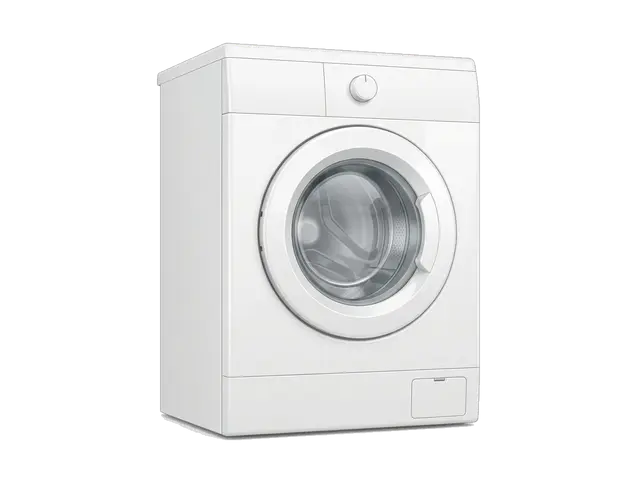
Households in the Eastern Province rely on modern washing machines for daily laundry tasks, which is why our workshop provides washing machine repair in Dammam across widespread residential models. We repair front-loading automatic washing machines known for efficient water usage and high extraction spin speeds, alongside servicing top-loading automatic washers favored for generous tub capacities and effortless loading access.
Contemporary laundry machines feature direct drive inverter motors that eliminate traditional drive belts to reduce operational noise, whereas standard models utilize mechanical belts and tension pulleys. Regarding inquiries about twin-tub and conventional washer repairs, our workshop concentrates primarily on automatic machines, while requests for non-automatic washers are reviewed on WhatsApp to check part compatibility before booking.
How Automatic Washers Complete a Cycle
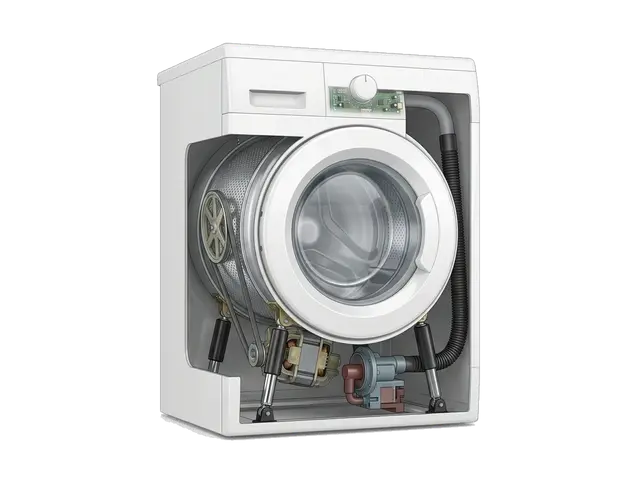
The automated washing cycle begins when the electronic control board signals the water inlet valves to open, directing water through the detergent drawer into the drum until reaching the level measured by the pressure switch. The electric drive motor then tumbles the drum in alternating clockwise and counterclockwise directions to circulate fabrics, while an internal heating element maintains wash temperatures during warm cycles.
Once washing concludes, a dedicated drain pump expels dirty water through the drain hose while an integrated lint trap catches coins and fabric debris. The machine then executes clean rinse cycles before entering the high-speed spin extraction phase, where the drum rotates rapidly to expel water through centrifugal force, supported by hydraulic shock absorbers and suspension springs that stabilize vibrational movement.
Eastern Province Water and Washers
Washing machines operating in Dammam face unique environmental conditions that wear down hydraulic and mechanical parts over years of continuous operation. Hard tap water containing mineral deposits produces calcification across water inlet valves and fine mesh screens, alongside limescale buildup that clogs electric heating elements and accelerates drain pump failure.
Sustained humidity inside enclosed laundry rooms accelerates surface rust on metal bottom chassis panels, floor mounting legs, and suspension struts. Constant moisture also fosters mold growth around the rubber door bellows gasket and degrades drum bearings and water seals, leading to grinding noises and excessive vibration during the final spin cycle.
Seasonal Preventive Care for Washers
Following a regular preventive maintenance schedule prevents sudden drainage blockages and keeps laundry smelling fresh without mildew odors. At the start of spring, unscrew and clean the lower drain pump filter to clear coins and loose threads, while wiping and drying the rubber door seal eliminates trapped water and detergent residue.
During warm summer months, run an empty hot cleaning cycle with vinegar or a specialized washing machine cleaner to dissolve limescale, while leaving the door slightly ajar between washes permits air circulation. In autumn and winter, verify that the machine sits level on the floor, tighten water connection hoses, and clear dirt from inlet valve filters to ensure dependable performance.
Factors Behind Washer Repair Costs
The cost of repairing an automatic washer depends on the damaged component and the labor required to access and replace it within the mechanical housing. Replacing an electric door lock switch or drain hose entails minimal disassembly, whereas rebuilding a drum assembly to replace worn bearings and a corroded spider arm requires intensive workshop labor.
Electronic troubleshooting for washing machine control boards requires close inspection of printed circuitry, power supply relays, and solder connections to restore functionality. Servicing complex electronic circuit boards and conducting heavy mechanical drum overhauls is carried out inside our Al-Jalawiyah facility with specialized diagnostic test equipment.
Repair or Replace and WhatsApp Contacts
Repairing an automatic washer represents sound value when the outer drum and motor assembly remain healthy and malfunctions are restricted to replaceable accessories like pumps, shock absorbers, or pressure switches. Conversely, if an older rusted machine combines motor burnout with control board failure and cracked tub bearings, purchasing a replacement unit proves more cost-effective over the long term.
To coordinate diagnostic inspection with our workshop in Al-Jalawiyah district in Dammam, take a clear picture of the manufacturer model plate located behind the door or on the rear panel, and record a video clip capturing the error code or unusual noise. Send these details along with your neighborhood on WhatsApp so our workshop can provide diagnostic feedback.
Symptoms by front-load, top-load, twin-tub
Front-load faults tend to show up at the door, the gasket and the drain pump: water under the door, a musty smell in the rubber seal, or a cycle that stops before the spin. A top-load machine usually complains through the belt, the clutch and the agitator, so the tub turns slowly or grinds during the spin. This difference in design is the first thing that steers a diagnosis in washing machine repair in Dammam, because the opening question is always which type you own.
A twin-tub machine is simpler electrically and its faults are closer to mechanics. The wash motor and the spin motor are separate and a manual timer replaces the circuit board. If the wash tub turns and the spin tub does not, the cause is more often the spin motor, its belt or the lid brake than the water. If water stays in the wash tub, check the manual drain valve first. Noting what you hear and see before you call shortens the inspection a great deal.
Drain pumps, door locks and spin balance
The drain pump works in a harsh setting, moving water loaded with lint, threads, soap residue and small items that fall out of pockets. When it clogs or its impeller wears, draining slows or the programme halts with water left in the drum. Hard water in Dammam also lays down a limescale film that loads the pump and shortens its life. Cleaning the pump filter on a regular basis, with the power off and a tray ready for the water, prevents most of these cases.
The door lock on a front-load machine is a safety part, so if it cannot confirm the door is closed, the cycle and the spin will not begin. Scale buildup, a bent door latch or slamming the door can all damage it. Balancing is a different problem: an uneven load raises vibration and the machine stops before reaching spin speed. Spread the clothes, avoid washing one heavy item alone, and make sure the feet sit level on the floor. If vibration continues with a balanced load, ask about the shock absorbers and springs.
Drum bearings, spin noise and hard water
The drum bearing carries the cylinder and takes the load of the spin. When it begins to wear, a metallic roar appears and rises with speed, often worse with heavy loads. Over time a leaking seal speeds up the damage, because salty, scaled water reaches the bearing path. A simple, safe test: with the power off, turn the drum by hand and listen. If it feels rough or scrapes, the machine needs a direct inspection rather than waiting.
Prevention is easier than repairing a tub: do not exceed the rated load, do not leave the door shut in a damp laundry room, and run a descaler in rotation with empty hot cycles. In summer, good ventilation in the laundry area reduces condensation inside the machine. When an unusual noise or a vibration that will not go away appears, it is wiser to bring in a specialist before the wear spreads from the bearing to the drum itself, which makes the repair larger and the decision harder.